
The birth of a free people
Passover (Hebrew פֶּסַח, Pesach) is observed from the 15th of Nisan, at the start of spring, for seven days (eight outside the Land of Israel). It marks the Exodus from Egypt — the liberation from slavery with which the people's history began.
The name comes from “pasach,” “passed over”: on the night of the last plague, death “passed over” the homes marked with the blood of the paschal lamb. At dawn the people left Egypt so hastily that the dough had no time to rise, and the bread stayed flat: matzah.
Passover is a festival of freedom and memory. On the Seder night, the story of the Exodus is retold around the table from generation to generation — so that each person may feel as if they themselves went out from slavery to freedom.
Passover in Azerbaijan
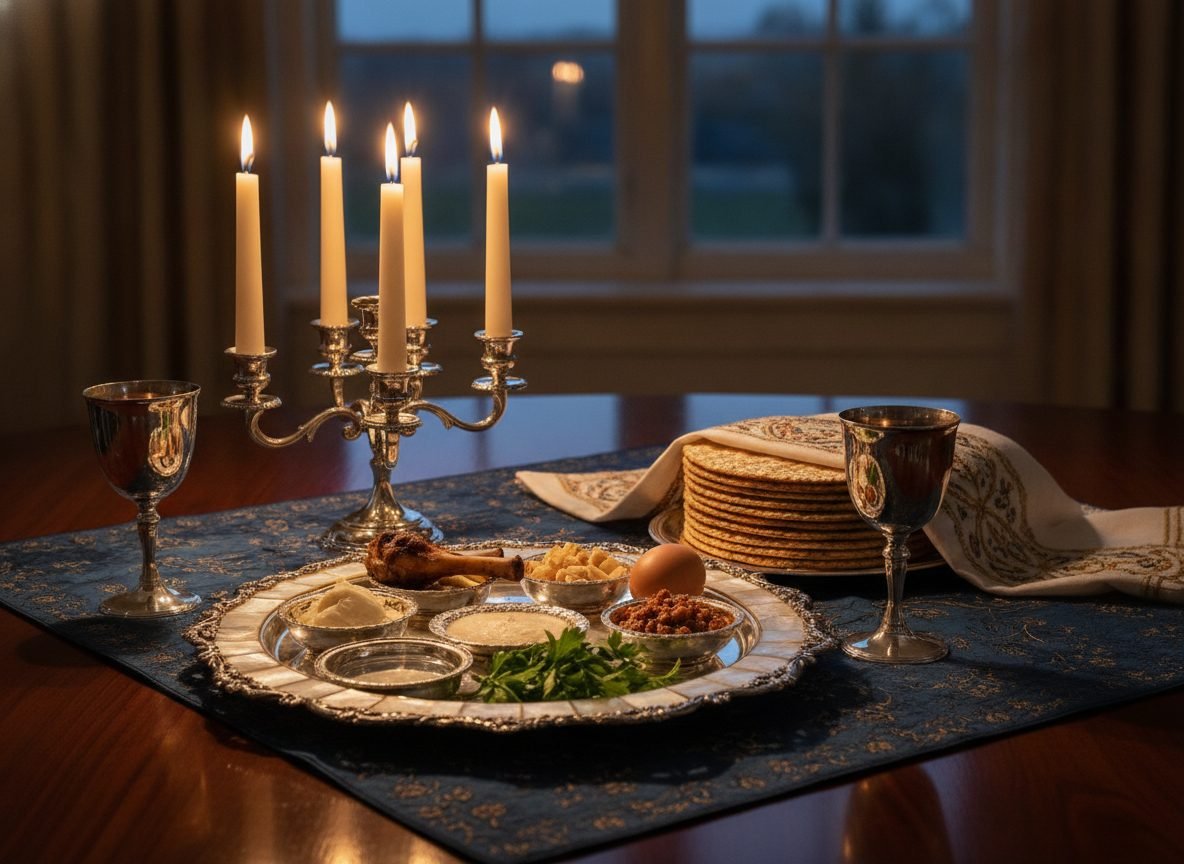
Azerbaijan is home to one of the world's oldest Jewish communities and a long tradition of interfaith tolerance. On Passover, homes in Baku and Quba hold the Seder, read the Haggadah, and set out matzah and the Seder plate.
A special place belongs to Krasnaya Sloboda (Qırmızı Qəsəbə) near Quba — one of the few places in the world where Mountain Jews live compactly. There Passover is met by the whole community, with springtime customs, ancient Juhuri melodies and its own festive dishes.

Enter the festival
Three sides of Passover — the story of the Exodus, the Seder night and the festive table with matzah.



In every generation
In every generation one is bound to see oneself as though they themselves had come out of Egypt.
The festival in numbers
Passover begins on the 15th of Nisan and lasts seven days (eight outside the Land of Israel). In the Gregorian calendar, usually late March or April — always in spring.